
Polymarket Small Market Resolution Failures: Why $2 Disputes Cost $750 Bonds
Understand the bond-to-reward imbalance that lets wrong outcomes stand on tiny Polymarket contracts like NVDA May 26 up/down.

Polymarket Small Market Resolution Failures: Why $2 Disputes Cost $750 Bonds
Ever wonder why a tiny Polymarket bet can go sideways even when everyone knows the right answer? The platform's resolution system works fine for big events, but small markets run into a wall that leaves bad outcomes untouched. Traders who want to understand polymarket odds need to factor in this friction, because it quietly shapes how prices form and how reliable the data stays over time.
How Polymarket Markets Reach a Final Outcome
Once trading stops, anyone on the approved list can propose what the result should be. A short window opens for anyone else to push back. No pushback? The market closes out quickly. Pushback happens? Things stretch into a multi-day process that pulls in UMA voters to settle the dispute.
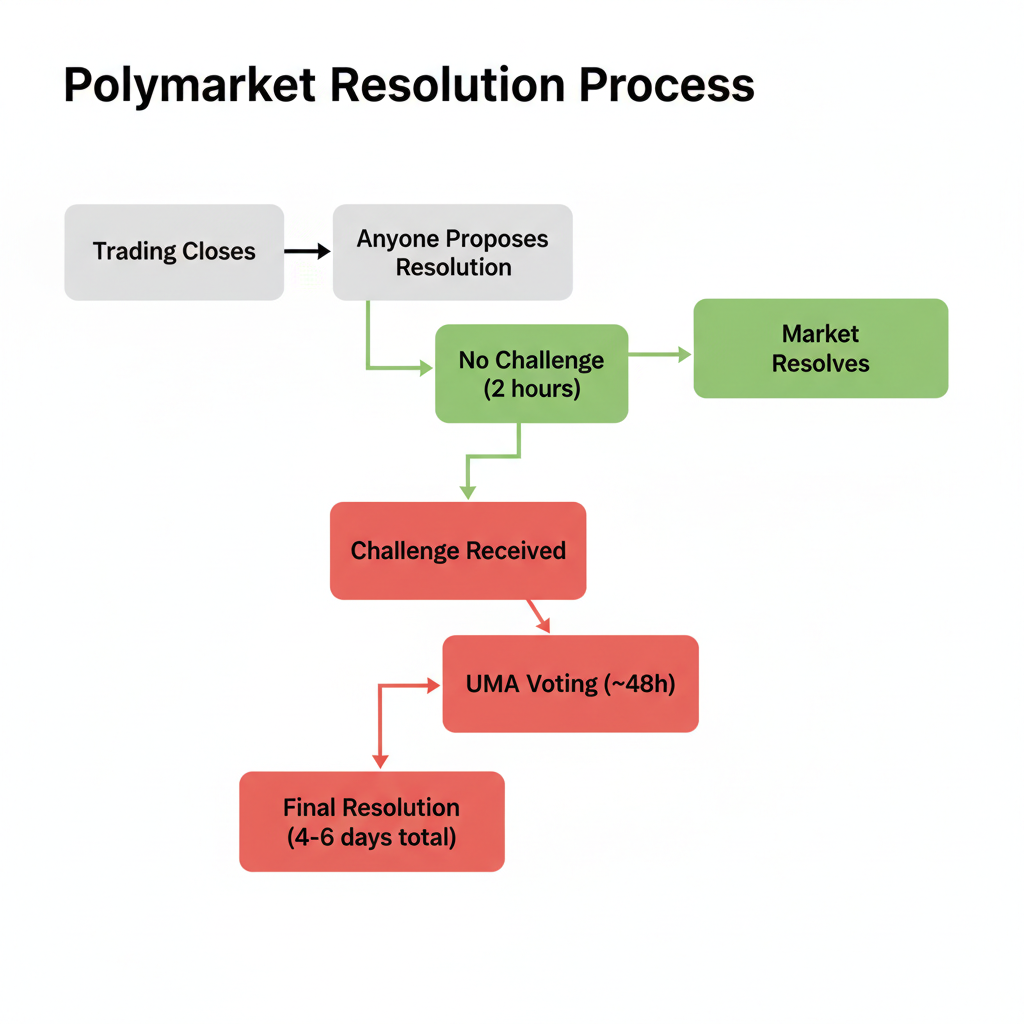
Data shared on Polymarkets.co.il breaks down the split: most markets still lean on the UMA Optimistic Oracle, a smaller slice uses Chainlink streams, and the rest get handled straight by the Polymarket team. The platform grew its list of approved proposers to keep pace with volume. That keeps the majority of resolutions smooth, but the same rules create real problems once the stakes drop low.
Why the Platform Sticks With a Flat $750 Bond
The bond requirement sits at the same level no matter the market size. It weeds out noise and covers the cost of bringing in outside voters when needed. Documentation from Polymarket explains the goal clearly: only people who feel confident should step forward. The fixed amount keeps the system consistent across everything from elections to obscure local contests.
Consistency sounds good on paper. In practice it means the same hurdle applies whether a market traded millions or just a few hundred dollars. That choice protects the big stuff but leaves smaller listings exposed.
The Bond-to-Reward Imbalance in Small-Stake Markets
Picture a market that only pulled in a couple dollars in fees. An incorrect proposal still requires the full bond to challenge it. The math quickly turns ugly. Rational traders look at the numbers and decide the risk outweighs any possible gain, so they stay quiet. The short challenge window does not change that basic calculation.
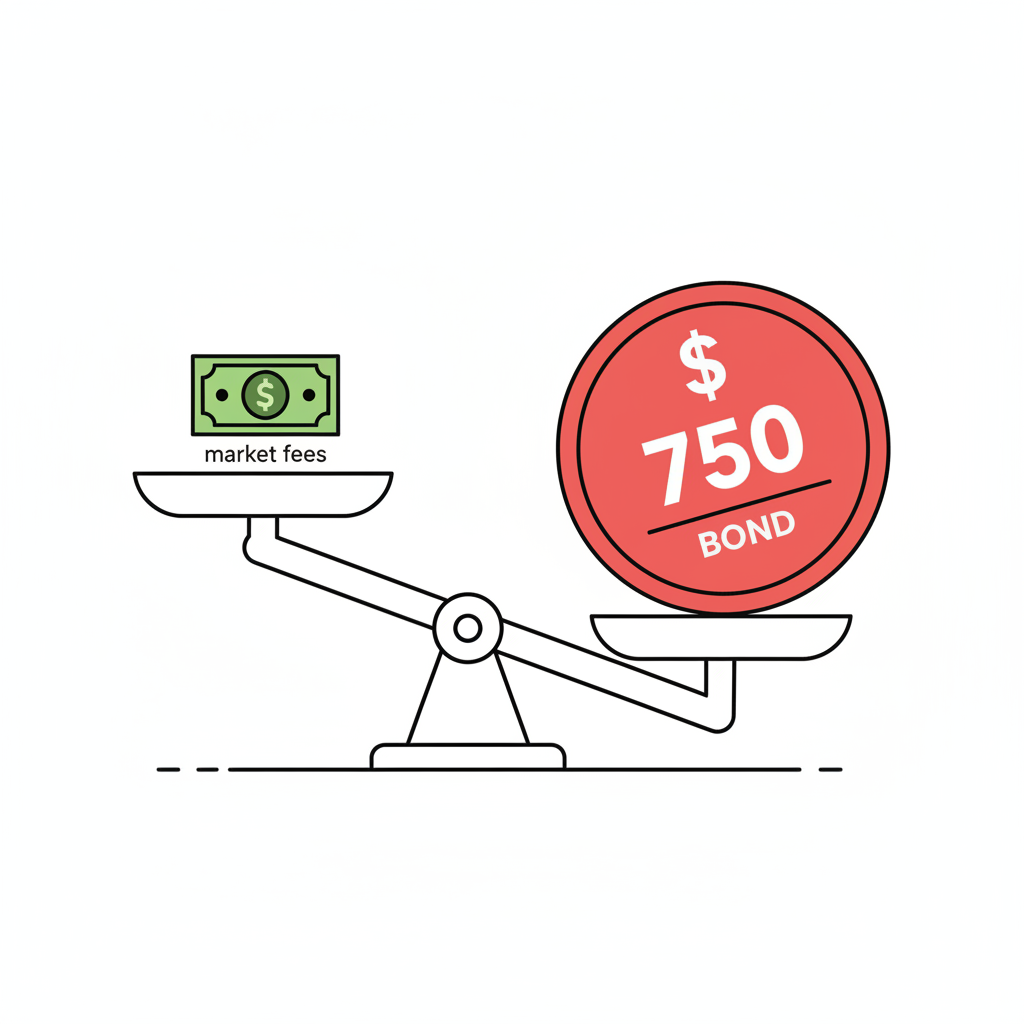
Polymarket's own notes acknowledge the reward can fall well below the bond cost in these situations. People skip the process. Flawed results stay in place. Over time those quiet failures add up.
How Resolution Failures Distort Polymarket Odds
Bad resolutions pollute the historical record traders rely on. When someone later checks past outcomes for similar events, they see results that should never have stood. That noise feeds into new pricing decisions. Low-volume categories suffer most because few people bother to correct them.
The effect leaks into larger markets too. Thematic overlap means a weird result in a niche event can still color how traders read comparable setups elsewhere. Anyone doing polymarket market analysis has to treat small-market data with extra caution.
What This Means for Everyday Traders
Direct losses hit when payouts follow the wrong result. Broader damage shows up as lower participation. Traders migrate toward high-volume events where the economics of a challenge still make sense. Trust erodes quietly. People stop treating every listing as equally credible.
The platform has grown its proposer list and leaned harder on automated oracles, yet the core cost mismatch remains untouched. Small markets keep carrying extra risk that does not show up in the raw odds.
Can the System Adapt Without Losing Its Guardrails?
Tiered bonds tied to actual volume would line up incentives better. Shared dispute funds could cover low-stakes cases so individuals do not shoulder the full load. Stronger oracle checks might cut down on disputes before they start. Any fix still needs to keep spam out while making it worthwhile to correct small errors.
These changes would require work across the oracle governance and the platform's own processes. The result would be cleaner data overall.
Reading Polymarket Odds With Resolution Risk in Mind
Knowing how to read polymarket odds now includes checking market size and liquidity before you size up a position. Thin markets carry hidden resolution risk that the displayed price does not reflect. Cross-check similar past events, but discount anything that looks suspiciously quiet or low-volume. Prediction market odds work best when the bond-to-reward ratio stays reasonable. In the smallest listings, treat the outcome as less certain until the platform narrows that gap.
Watch how volume trends after a disputed result. That tells you more about real trader sentiment than the final number alone. The platform keeps growing, yet these edge cases still shape where smart money flows and where it stays away.