Fed Rate Cut Off? Polymarket's 100% No Consensus After April 2026 Meeting
$48M volume locks in No on 25bps Fed cut—explore resolved market signals, probability explained, and lessons for future economic prediction markets.
Fed Rate Cut Off? Polymarket's 100% No Consensus After April 2026 Meeting
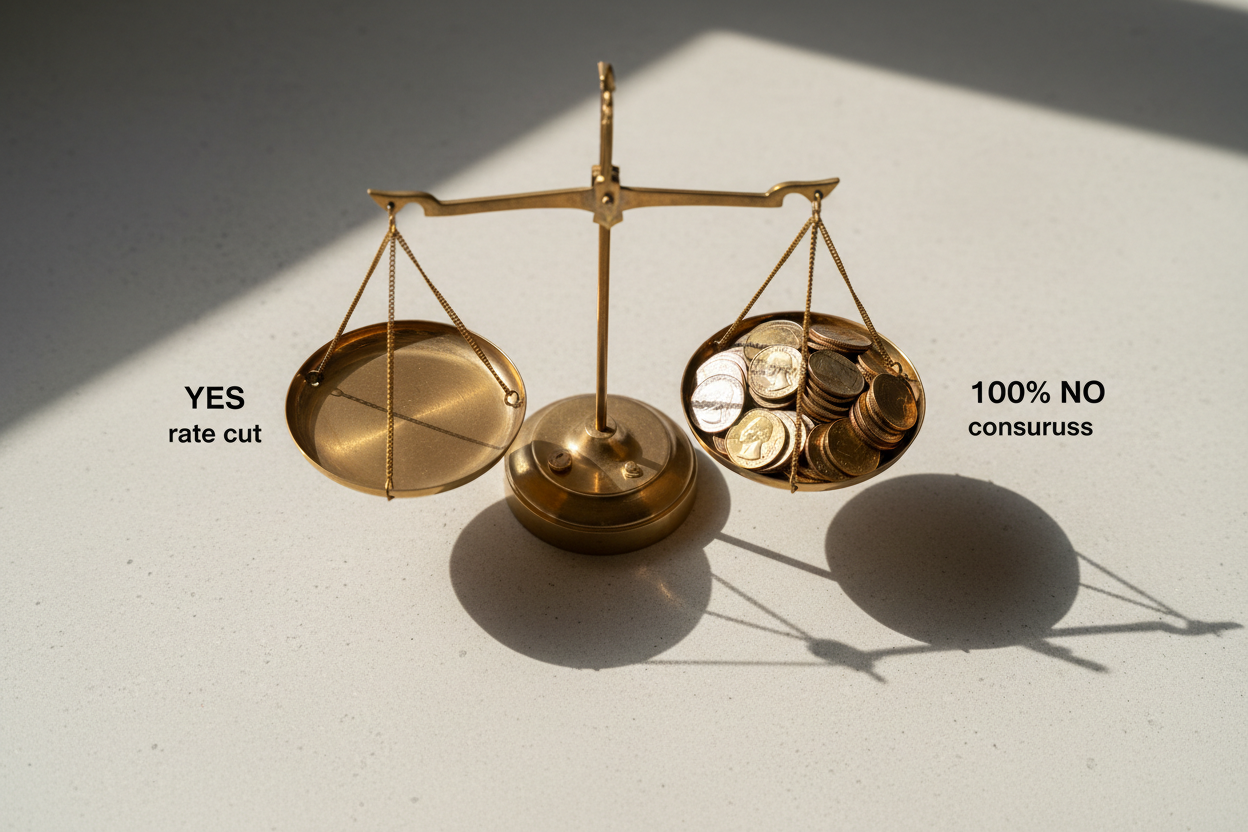
Polymarket's prediction market hit a stunning 100% probability against a Federal Reserve 25 basis points rate cut after the April 2026 meeting. Backed by massive trading volume, according to platform data. This isn't just betting. Polymarket probability explained reveals crowd-sourced economic foresight that's reshaping how we predict Fed moves.
By the end of this article, you'll master how Polymarket works as a real-time gauge of market sentiment. You'll decode rate cut consensuses like the one for April 2026, evaluate prediction market reliability, and pick up actionable strategies to use Polymarket signals for smarter investment and forecasting decisions.
What Are Prediction Markets? A Quick Polymarket Probability Explained
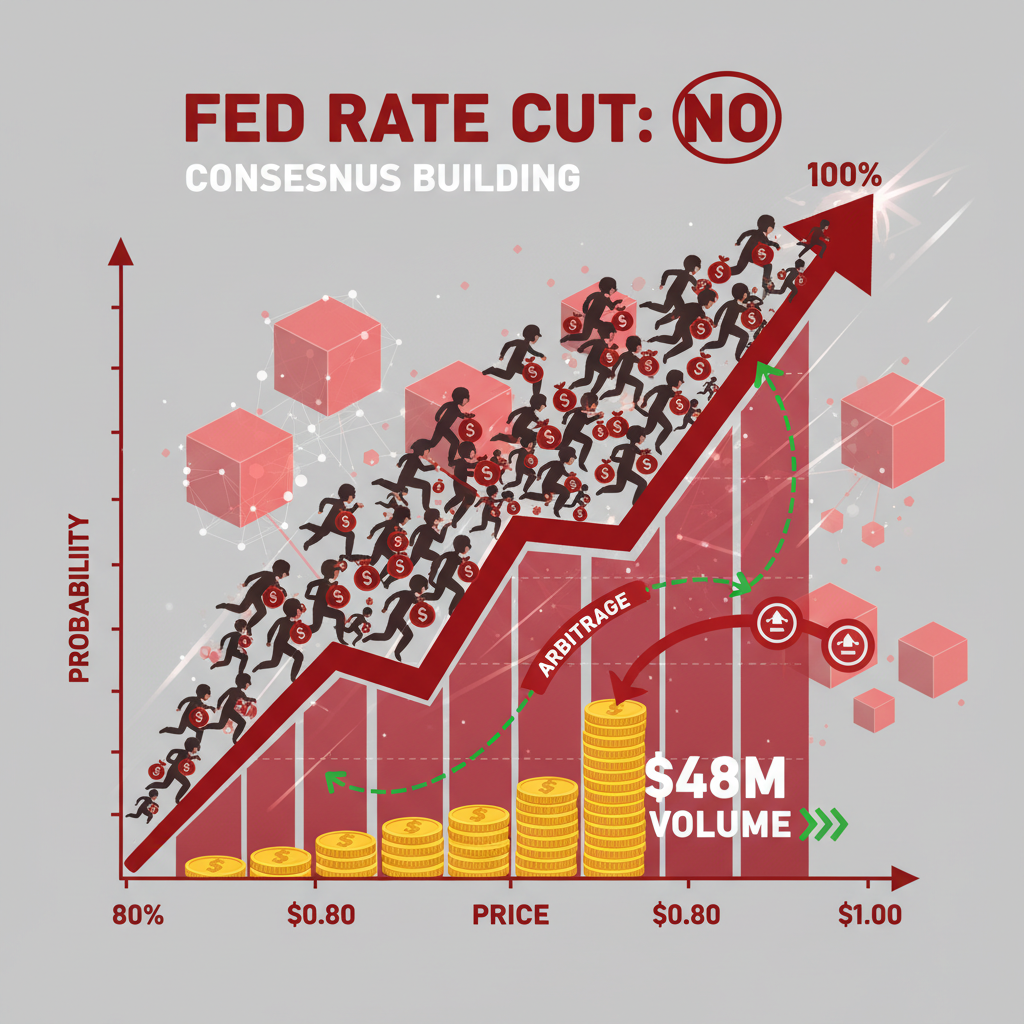
Prediction markets turn collective bets into probabilities. Traders buy Yes or No shares on specific outcomes, like a Fed rate decision. Share prices directly reflect the market's estimated chance of that outcome. A Yes share at $0.99 signals a 99% probability. Drop to $0.01, and it's a 1% shot.
Polymarket stands out with its blockchain foundation. Users trade these shares using cryptocurrency on a decentralized platform. That keeps everything transparent, fees low. No central authority calls the shots. Settlement happens automatically via oracles tied to real-world data. This setup aggregates diverse opinions and information. Often, it delivers real-time probabilities sharper than traditional polls or expert forecasts.
What sets it apart from opinion surveys? Skin in the game. Traders risk real money, so bad info gets punished fast. Polymarket has seen huge activity across markets, especially on big events like elections and economic data releases.
The platform has faced regulatory hurdles. But it keeps growing, expanding access and building trust. This probability mechanic isn't abstract. It's a live barometer of sentiment, especially for Fed watchers.
Inside the April 2026 Fed Rate Cut Market on Polymarket
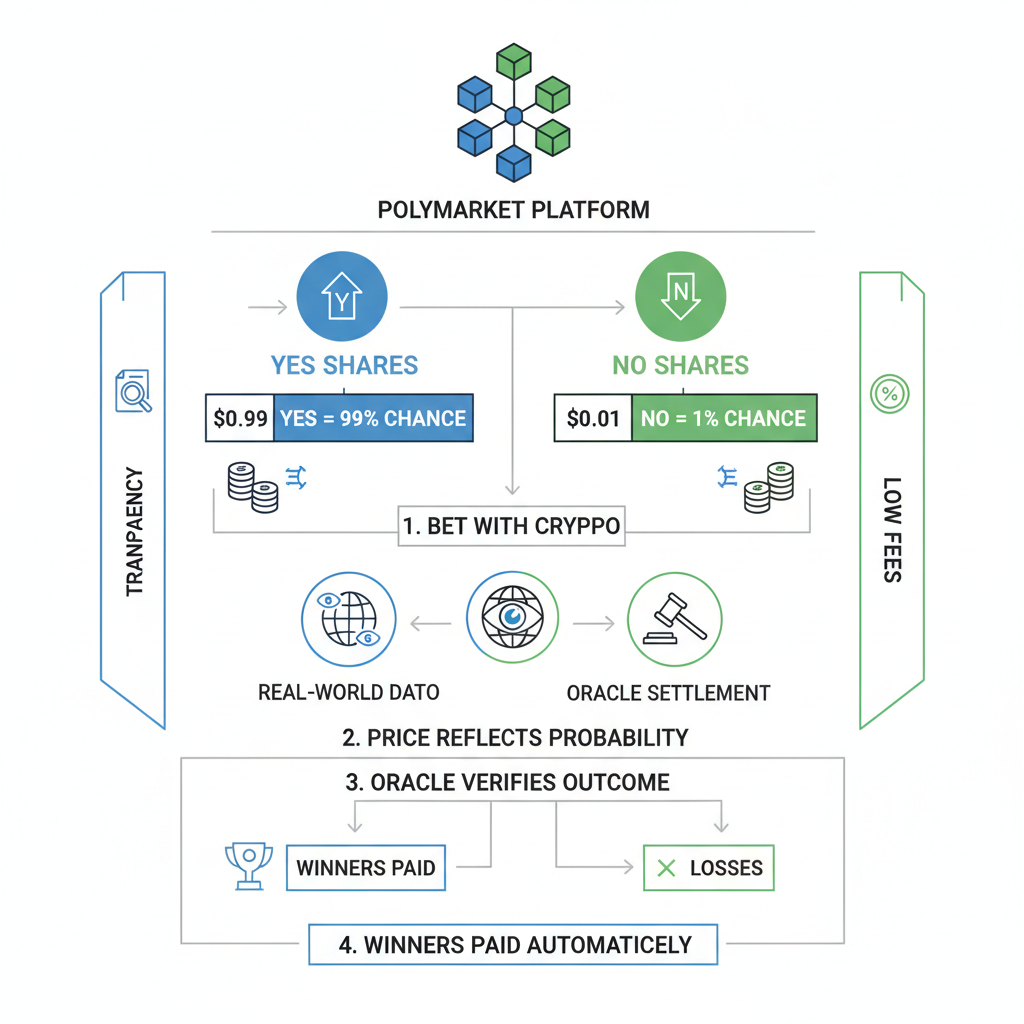
Picture this: Traders pile into a market asking, "Will the Fed cut rates by 25 basis points after its April 2026 meeting?" It launched days before the announcement. Volume exploded, drawing in thousands of participants, with conviction building toward No. No shares climbed to $1.00, locking in 100% probability against a cut.
That kind of activity reflects serious money and sharp views. Resolution hinged on the official Fed statement, ensuring clarity. Polymarket's prediction market probability explained here spotlighted the platform's knack for aggregating expectations into a clear signal.
Look ahead, and related markets tell more. Odds typically build over time, pricing in delayed easing. Near-term conviction stays firmest, rippling across bets to paint a hold-steady Fed picture.
Traders didn't just guess. Arbitrage kept prices tight. Buy low on one spot, sell high elsewhere. This market turned whispers into a roar of consensus.
Key Factors Behind Polymarket's Strong No Rate Cut Signal
Consensus like this doesn't form in a vacuum. Traders weighed macro signals, economic readouts, USD strength. The decentralized trades let prices mirror collective belief. No shares at $1.00 meant zero tolerance for a cut.
Broader platform dynamics helped too. High activity on high-stakes events keeps things liquid and informed. Legal resilience matters. Despite past scrutiny, traders trust its staying power.
Sentiment hardened on persistent inflation hurdles. Traders chased arbitrage opportunities. This reinforced the lockout. Polymarket pools diverse info, outperforming polls by incentivizing accuracy. The result? A unified No that felt unshakeable.
Dig deeper into why. Economic indicators fed into the bets. Broader global factors added weight. No wonder the crowd spoke so clearly.
Mastering Polymarket Market Analysis: Volume, Liquidity, and More
Turn observer into analyst. Start with volume. Huge spikes scream conviction, drowning out quieter noise. High stakes demand proof.
Liquidity matters next. Deep pools let big bets slide without wild price swings. Check Polymarket's dashboard for real-time depth. On-chain explorers like Etherscan reveal whale moves and order books.
Correlate across markets. A strong No in April aligned with low odds for June. Building probabilities later hint at timeline shifts. Clusters confirm trends.
Tools sharpen your edge. Polymarket's interface shows volume trends, holder counts. Pair with Dune Analytics for custom queries. Spot divergences: If inflation bets scream hot but cuts look priced in, probe deeper.
Here's how to practice:
- Scan daily for volume spikes
- Cross-check liquidity levels
- Build a watchlist of Fed-related markets
- Correlate probabilities across timelines
- Track how odds shift with news drops
Do this consistently, and you'll read sentiment like a pro. Think of past examples, where prediction markets like Polymarket have often provided more accurate probabilities than polls, such as in elections. Apply that to Fed markets. Watch volume build before meetings. See how arbitrage smooths edges. Over time, patterns emerge. You spot when conviction is real versus fleeting.
How Reliable Are Polymarket Signals for Fed Decisions?
Skeptics question crowd wisdom. Fair enough. But prediction markets aggregate opinions better than polls. They hit closer to reality because money's on the line.
Take high-conviction cases like this April market. Platform growth bolsters trust. Decentralized trades force accountability.
Limits exist, sure. Biases can warp calibration. Black swans or low liquidity skew odds. Manipulation risks hover, though blockchain transparency helps.
For Fed calls, though, signals shine bright. Consistent engagement across events builds a track record. Blend with fundamentals, jobs reports, CPI, for best results. Future odds offer a calibrated path forward. Ever wonder why pros watch these? They cut through the noise.
Lessons from Polymarket Analysis for Economic Predictions
This April No cements key lessons. Integrate odds early. Low near-term cut odds? Position defensively. Rising later? Eye bonds or cyclicals.
Hybridize forecasts. Pair Polymarket with BLS jobs data, CPI prints. Confirmation across related markets strengthens your view.
Monitor evolution. As access grows, U.S. Traders pile in more. Stay vigilant on regs, but the signal strength endures.
Action steps to get started:
- Set alerts for volume surges
- Track probabilities weekly
- Backtest against past Fed decisions
- Journal your reads versus outcomes
- Discuss in communities for fresh angles
Polymarket's masterclass in prediction market probability explained cements its status. With these Polymarket signals and analysis techniques, you're no longer reactive. You're ahead, turning market whispers into strategies that pay off.
What if you started watching today? One market at a time, and soon you'll forecast like the crowd does best.